

Trade Show Booth Checklist: 2026 Planning Guide
TL;DR:
- A comprehensive trade show booth checklist guides exhibitors through all five phases, from planning to follow-up, to maximize ROI. Proper preparation includes detailed packing, strategic staffing, early setup, and prompt post-show actions, with emphasis on portability and continuous improvement. Failing to address any phase can hinder engagement and reduce the effectiveness of trade show efforts.
A trade show booth checklist is a phased, item-by-item inventory that covers every task from early planning through post-show follow-up. Most exhibitor failures trace back to one root cause: missing a single category on this list. Whether you are managing a 10x10 inline booth or a 20-foot island exhibit, the same five phases apply: planning, packing, staffing, on-site execution, and post-show follow-up. This guide covers all five with specific benchmarks, staffing ratios, and emergency kit details so nothing falls through the cracks at your next event.
1. your complete trade show booth checklist starts here
Detailed checklists cover five phases: early planning, marketing and promotion, booth prep, on-site execution, and post-show follow-up. That structure is not arbitrary. Each phase has its own failure points, and skipping one creates problems in the next. The exhibit checklist framework used by experienced event marketers treats every phase as a separate project with its own deadlines and owners.
Start your planning timeline at least 8–12 weeks before the event. Confirm booth dimensions, electrical access, and show regulations from the venue. Book travel and hotel early, since rates near convention centers spike fast. Assign a single project owner for the checklist so nothing sits in a gray area between team members.
2. what physical materials and equipment to pack
The trade show material packing checklist is where most exhibitors lose time. Forgetting a power strip or a banner stand hardware bag means scrambling on setup day. Pack in categories and check each one off before the shipment leaves your facility.
Booth structure and signage:
- Tension fabric display frames and graphic panels
- Retractable banner stands with printed graphics
- Table covers, counters, and branded tablecloths
- Hanging signs or overhead banners if permitted
- Flooring tiles or carpet if not provided by the venue
Marketing materials:
- Brochures, sell sheets, and product catalogs
- Business cards for every staff member
- Branded giveaways and promotional items
- Order forms or quote sheets
Technology:
- Laptops, tablets, and phone chargers
- Lead retrieval scanner or badge scanning app
- HDMI cables, adapters, and extension cords
- Power strips and surge protectors
- Presentation slides loaded and tested offline
Maintenance and repair:
- Emergency kit with gaffer tape, zip ties, scissors, a multi-tool, and a first-aid kit. These items prevent the most common setup and operational delays that disrupt booth activity.
Pro Tip: Label and number every shipping box with a manifest that lists contents. This single habit cuts setup time significantly and eliminates the panic of missing hardware mid-install.
3. how to staff your booth for maximum engagement
Staffing is the most underprepared item on most booth setup lists. The industry standard is one staff member per 100 square feet of booth space. That ratio keeps coverage consistent without crowding the booth.
Divide your team into two roles:
- Anchors stay inside the booth, manage product demos, and handle inbound visitors. They own the booth experience from the moment a visitor steps in.
- Floaters work the show floor, attend sessions, and bring qualified leads back to the booth. They extend your reach beyond the footprint.
This anchor-and-floater model means your booth is never empty and your team is never idle. Build a rotation schedule so anchors get breaks and floaters cycle back in. A tired anchor is one of the fastest ways to lose a warm lead.
Pre-show training is non-negotiable. Early and thorough staff training equips every team member to represent your messaging consistently and handle visitor questions without hesitation. Run a scripted Q&A session before the show opens. Cover your top three value points, your lead qualification questions, and your handoff process for hot prospects.
Pro Tip: Design your booth for conversations, not just impressions. Place chairs and counters to create natural stopping points. A visitor who sits down stays three times longer than one who just walks past a display.
4. on-site setup and event day operations
Arriving early is the single most effective thing you can do on setup day. Most venues allow exhibitor access 24–48 hours before the show opens. Use that window to unpack, test every piece of technology, and walk the booth as a visitor would.
Setup day checklist:
- Unpack all boxes against your manifest and flag any missing items immediately
- Assemble booth structure and verify all graphics are straight and undamaged
- Test all AV equipment, screens, and presentation decks
- Confirm Wi-Fi access and have a mobile hotspot as backup
- Arrange marketing materials for easy reach without cluttering the space
- Check lighting and replace any burned-out bulbs
Event day operations:
- Daily team huddles align messaging, share observations from the previous day, and maintain booth energy. Run them before doors open, not after.
- Score leads in real time using your retrieval system. Tag each contact as hot, warm, or cold so follow-up is prioritized correctly.
- Restock brochures and giveaways at the start of each day.
- Monitor booth traffic patterns and adjust furniture placement if flow is blocked.
- Keep the booth clean and organized throughout the day. A cluttered table signals disorganization to every visitor.
The goal of on-site execution is to make every interaction feel prepared and intentional. Visitors notice when a team is scrambling. They also notice when a team is confident and ready.
5. post-show actions that complete the checklist
The post-show phase is where trade show ROI is won or lost. Most exhibitors collect leads and then wait too long to act on them. The exhibit checklist does not end when the show closes.
- Upload all leads to your CRM within 24 hours of the show closing. Uploading leads within 24 hours is the industry benchmark. Waiting longer means leads go cold and context is forgotten.
- Contact every lead within 48 hours. The 48-hour follow-up window is the standard for post-show outreach. Personalize each message with a reference to the conversation you had at the booth.
- Conduct an internal debrief within five days. Gather your team and review what worked, what did not, and what to change. Document findings in a report that feeds directly into your planning for the next event.
- Audit your inventory. Note what materials were used, what was left over, and what ran out. This data drives smarter ordering for future shows.
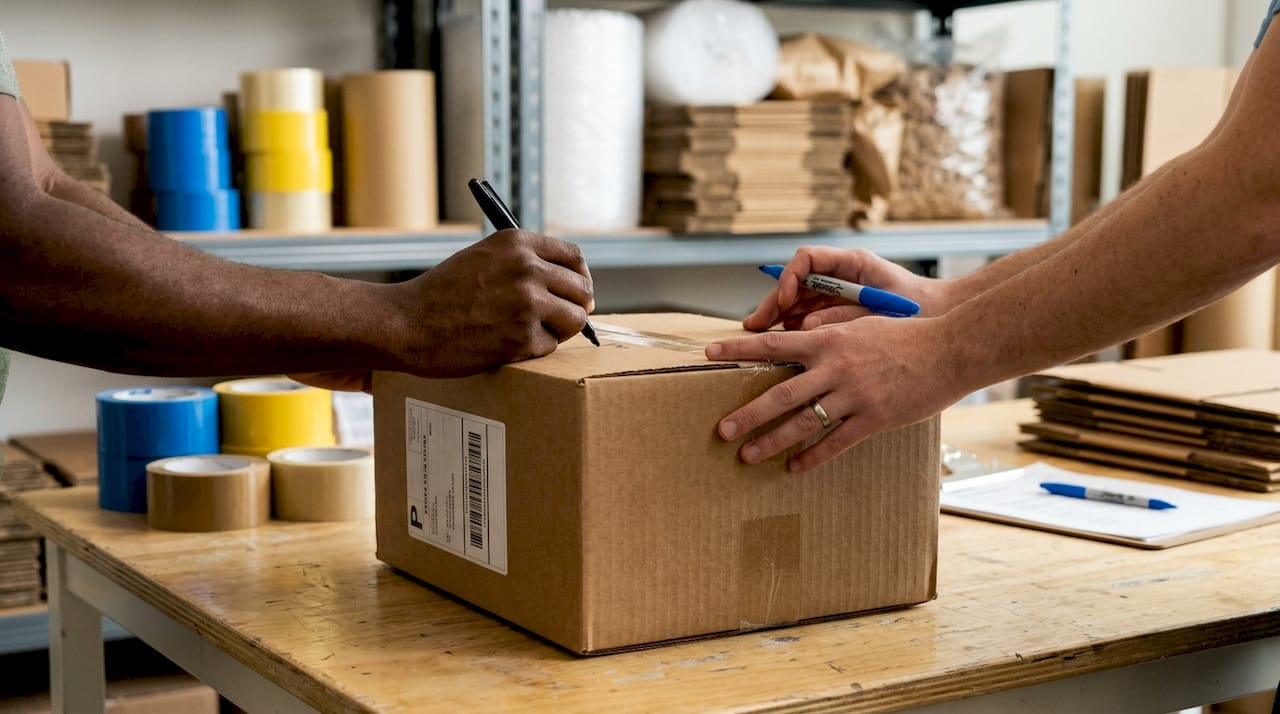
- Pack and ship booth materials carefully. Use the same numbered box system from your inbound shipment. Photograph the packed crates before they leave the venue floor.
The debrief report is the most skipped item on every post-show list. Teams that complete it consistently improve their results at each subsequent event.
6. trade show display portability and booth selection
The trade show display portability checklist is a subset of the broader prep process. Your display system determines how fast you set up, how much you pay in drayage, and how your booth looks after ten shows. Portability matters more than most first-time exhibitors expect.
Tension fabric displays are the standard for portable exhibits. They pack into rolling cases, set up without tools, and produce vibrant graphics that hold up across multiple events. A 10x20 tension fabric booth gives you a large footprint with a setup time under 30 minutes for a two-person team. For smaller spaces, a 10x10 portable exhibit kit designed for conversation-focused layouts keeps your footprint tight and your engagement high.
When evaluating display options, check three things: total packed weight, number of cases required, and whether graphics are replaceable without replacing the frame. Displays that score well on all three give you the best long-term value across your event calendar.
Illuminated displays add another layer of visibility. Backlit exhibition displays draw attention from across a crowded show floor and create a premium appearance that reinforces brand credibility. If your budget allows, an SEG lightbox panel on the back wall is one of the highest-impact upgrades available.
Key takeaways
A complete trade show booth checklist covers five phases: packing, staffing, setup, on-site operations, and post-show follow-up, and skipping any one phase directly reduces ROI.
| Point | Details |
|---|---|
| Pack by category with a manifest | Number every box and list contents to cut setup time and prevent lost items. |
| Staff at one person per 100 sq ft | Divide roles into anchors and floaters to cover the booth and the floor simultaneously. |
| Follow up within 48 hours | Upload leads to CRM within 24 hours and contact every lead within 48 hours of show close. |
| Choose portable display systems | Tension fabric displays pack light, set up fast, and maintain graphic quality across multiple events. |
| Debrief within five days | Document what worked and what did not to improve performance at every future show. |
What i’ve learned after watching hundreds of booths fail
The most common mistake at trade shows is not a missing banner or a dead laptop battery. It is a booth designed to impress rather than to start a conversation. Exhibitors spend heavily on large graphics and elaborate structures, then staff the booth with people who stand behind a table waiting to be approached. That combination produces low lead counts regardless of foot traffic.
Over-investing in booth design at the expense of staffing and promotion is the single most reliable way to underperform at a show. The guideline is clear: booth costs should stay at or below 20% of your total trade show budget. The rest goes to staffing, pre-show promotion, and post-show follow-up. Those three categories drive actual revenue. The booth just gets people to stop.
The second lesson is about mockups. Before you finalize any graphic or furniture layout, mock up the physical space with tape on the floor and folding chairs. Walk through it as a visitor. You will immediately see where traffic jams, where the demo area feels awkward, and where your back wall graphic is blocked by your own counter. This takes two hours and saves you from a layout that wastes your entire show budget.
The emergency kit is not optional. Every experienced exhibitor has a story about a critical item that broke or went missing on setup day. Gaffer tape, zip ties, and a multi-tool have saved more booths than any premium display upgrade ever has.
— Printdrill
Build your booth display with Printdrill
A checklist tells you what to bring. Printdrill makes sure what you bring looks professional and holds up under real show conditions.

Printdrill’s tension fabric booth kits are built for fast setup, clean graphics, and repeat use across your full event calendar. Every kit ships with the hardware, carrying cases, and printed fabric panels you need to walk in and set up without a crew. For outdoor events or hybrid setups, custom fabric banners from Printdrill are wrinkle-resistant, lightweight, and printed with vibrant color that holds up in direct sunlight. Free design assistance is included with every order, and fast turnaround options are available nationwide.
FAQ
Q: What goes on a trade show booth checklist?
A: A trade show booth checklist covers five categories: booth structure and signage, marketing materials, technology, emergency repair supplies, and staffing plans. Each category should be verified before shipment leaves your facility.
Q: How many staff members does a trade show booth need?
A: The industry standard is one staff member per 100 square feet of booth space. Divide the team into anchors who manage the booth and floaters who network on the show floor.
Q: When should you follow up with trade show leads?
A: Upload all leads to your CRM within 24 hours of the show closing and contact every lead within 48 hours. Waiting longer reduces response rates and allows context from the conversation to fade.
Q: What should an emergency kit contain for a trade show?
A: A trade show emergency kit should include gaffer tape, zip ties, scissors, a multi-tool, power strips, and a basic first-aid kit. These items address the most common setup and operational problems on the show floor.
Q: How do you organize trade show shipping boxes?
A: Number every box and create a manifest that lists the contents of each one. This system speeds up both setup and teardown and prevents equipment from being left behind or lost in transit.
Recommended
- 10x20 Custom Tension Fabric Trade Show Booth Kit - Display with Racks – PRINTDRILL
- 10x15 Tension Fabric Trade Show Booth Kit - Wide Exhibit Stage Exhibit – PRINTDRILL
- 10x20 Tension Fabric Trade Show Booth Kit - Portable 20 ft Booth – PRINTDRILL
- 10x20 Curved Tension Fabric Trade Show Booth - 20ft Exhibit Booth – PRINTDRILL
